Select Country

Don’t have your Nedbank ID yet?
Nedbank ID single sign-on gives you full digital access to Nedbank’s banking and lifestyle products and services on the Money app or Online Banking.
Log in
Log in to Online Banking or another one of our secured services.
 Find us


- Login & Register
- Online Banking
- Online Share Trading
- NedFleet
- Register for Nedbank ID
- About us
- Deals
- Explore About us
- Deals
- Culture
- Explore Culture
- Sustainability
- Explore Sustainability
- Financing
- Trading
- Transacting
- Investing
- Advisory
- London
- Insights
- Articles
- Research
- Explore Insights
- Articles
- Investor research
- Investor-research
- How loadshedding impacts inflation | Nedbank CIB
- Contact us
- Explore Contact us
Increasingly competitive IPP sector set to catalyse M&A activity

Clean energy has become a global priority in recent years.
It’s no secret that clean energy has become a global priority in recent years. And while the impetus for clean power is undoubtedly coming primarily from the global north, the achievement of green economies is now also a priority for the developing world.
However, across much of Africa, power generation of any sort remains a massive challenge due, primarily to a combination of infrastructure backlogs, rapidly increasing populations, ongoing urbanisation, and extensive industrialisation.
As has been so painfully obvious in South Africa over the past 14 years since rolling blackouts began, reliable power supply is a cornerstone of economic growth. What’s more, this link between energy and economic sustainability is set to become even more significant as global trade pressure on emissions reduction and net zero commitments increases in the coming months and years.
Given the abundance of supply and the significant cost effectiveness of renewable energy compared to fossil fuel-based generation, the potential for clean energy to be at the forefront of meeting Africa’s growing demand is undeniable. And in South Africa’s case, essential.
With a national energy provider that is almost half a trillion rand in debt, suffering from ailing and fast-deteriorating transmission and distribution infrastructure, and under pressure to exit ‘dirty’ fuels, South Africa has no option but to turn more deliberately to renewable energy sources to meet its future power requirements. Despite the lingering reticence in some political circles, this is no longer a negotiable transformation, if for no other reason than if the country doesn’t fast-track the achievement of its plan for a just transformation to a viable green economy, it could soon find itself once more on the sidelines of the international trade playing field.
Of course, fiscal constraints and rising debt to GDP remain just two of the massive speedbumps on the road to such a green South African economy, but in some ways these challenges are also blessings in disguise. That’s because public sector budgetary shortcomings are effectively forcing a situation in which a significant amount of current and future energy supply capacity will have to be funded and produced by the private sector and Independent Power Producers (IPPs).
Increasing IPP momentum is a catalyst for M&A
The good news is that this move towards private sector involvement in ensuring a sustainable renewable energy sector is well underway. The appeal of the REIPPPP programme continues to grow, both in national and international investment and development circles, with the most recent bid window 5 being more than four times oversubscribed, receiving 102 bids for the 2600MW of generation capacity on offer.
The relaxation of the self-generation license cap to 100MW is another significant step in the right direction, especially given that the regulatory easing provides a framework for energy wheeling and distribution to multiple offtakers, which has created immense interest for the development of self-generation facilities amongst municipalities and in many corporate sectors.
Importantly, this clear emergence of a more competitive and sustainable Independent Power Producer (IPP) sector in South Africa will almost certainly be a catalyst for significant merger and acquisition interest and activity within renewables going forward.
For one, IPPs that established operations on the back of winning bids in the first few REIPPPP rounds are now in a situation where they need to find innovative ways of recycling their balance sheets in order to sustain their growth via the development, acquisition or operation of new projects.
As the renewables sector matures in South Africa, there is also a natural separation taking place between the ownership of projects and facilities and the ongoing development and operational functions. While ownership is typically high yielding, it is also capital intensive and delivers relatively low average returns. As a result, IPPs are likely to increasingly look to consolidate their market position through the acquisition of going concerns that provide them with greater operational control.
The sector has now also reached a point where investors in the very early projects may start looking for opportunities to take profits. And the prioritisation of black economic empowerment within the maturing sector is sure to be another contributing factor to increasing M&A activity levels, as the need to demonstrate ownership by historically disenfranchised individuals and entities becomes a core business sustainability and opportunity creation requirement.
Renewables deals are increasingly fetching higher valuations compared to traditional ‘dirty’ generation installations, as a result of their lower operational risks, coupled with government funding support and sustainability imperatives. Supported by South Africa’s green economy vision, the burgeoning South African clean energy sector can only fuel the investment appeal and impetus for M&A activity, particularly in a country facing continued rolling blackouts and well-above-inflation price increases for the foreseeable future.
Related posts
See all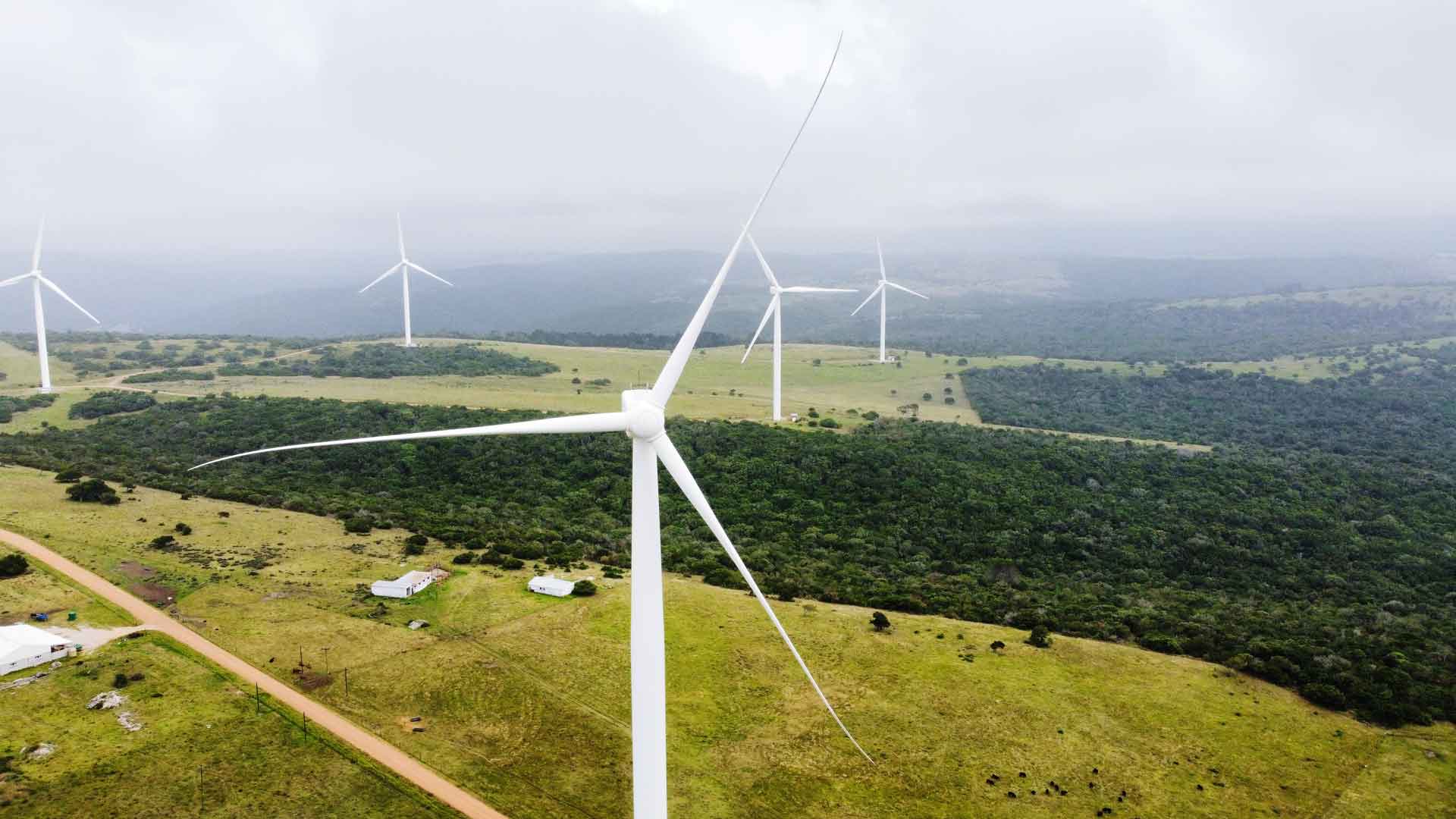

The growth of sustainable finance in South Africa
As part of an expert panel at the 2022 South African Real Estate Investment Trust Conference, Arvana Singh, Nedbank Head of Sustainable Finance Solutions, shared some thoughts on how sustainable finance in South Africa can help mitigate ESG-related risks.
Published 09 May 2023 in nedbank:cib/articles/property

The growth of sustainable finance in South Africa
As part of an expert panel at the 2022 South African Real Estate Investment Trust Conference, Arvana Singh, Nedbank Head of Sustainable Finance Solutions, shared some thoughts on how sustainable finance in South Africa can help mitigate ESG-related risks.
Published 09 May 2023
Key factors in the recovery of the property sector in 2023
Gary Garrett, Managing Executive of Property Finance at Nedbank Corporate and Investment Banking, participated in an expert panel at the 2022 South African Real Estate Investment Trust Conference where he reflected on the response of the property sector to recent challenges.
Published 09 May 2023 in nedbank:cib/articles/property

Key factors in the recovery of the property sector in 2023
Gary Garrett, Managing Executive of Property Finance at Nedbank Corporate and Investment Banking, participated in an expert panel at the 2022 South African Real Estate Investment Trust Conference where he reflected on the response of the property sector to recent challenges.
Published 09 May 2023
Nedbank Corporate and Investment Banking honoured for leadership in sustainable finance
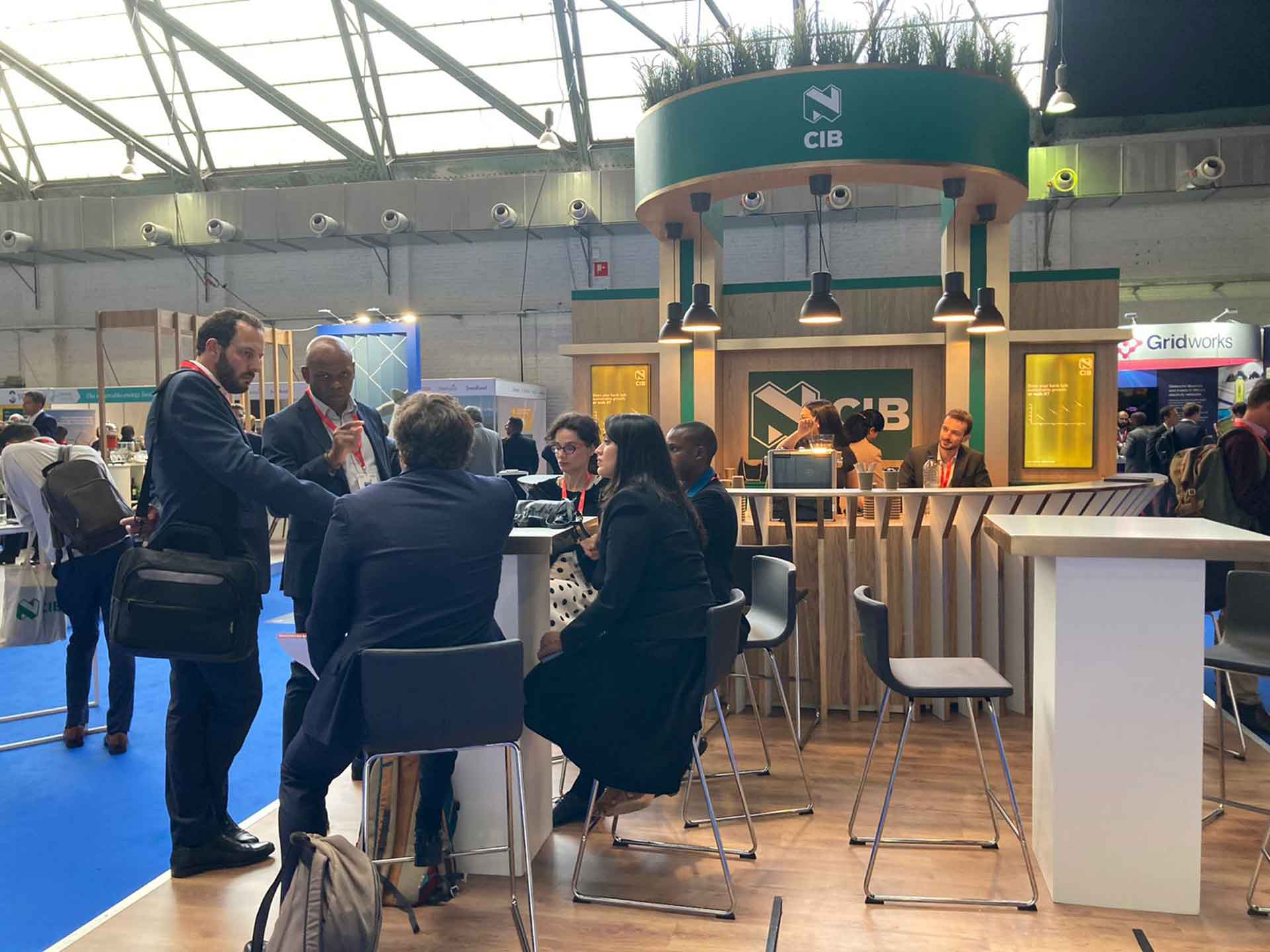
Our ESG-backed approach to lending and financing was recognised at the 2022 Global Finance Sustainable Finance Awards, where we ranked in the top 6% of banks globally and received awards for Outstanding Leadership in Green Bonds and Outstanding Leadership in Transition/Sustainability-linked Bonds.
Published 09 May 2023 in nedbank:cib/deals/esg
Nedbank Corporate and Investment Banking honoured for leadership in sustainable finance
Our ESG-backed approach to lending and financing was recognised at the 2022 Global Finance Sustainable Finance Awards, where we ranked in the top 6% of banks globally and received awards for Outstanding Leadership in Green Bonds and Outstanding Leadership in Transition/Sustainability-linked Bonds.
Published 09 May 2023